

Last Updated: March 6, 2026
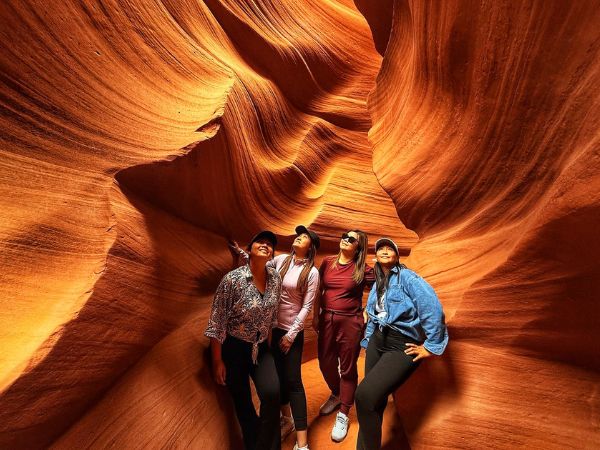
Antelope Canyon is one of the most famous slot canyons in the world, known for its narrow sandstone walls, glowing colors, and dramatic beams of light. Located near Page, Arizona, it attracts hundreds of thousands of visitors every year. But despite its beauty, many travelers ask an important question: why does Antelope Canyon flood?
The answer lies in the unique nature of slot canyons and desert storms. Even when the weather appears calm at the canyon entrance, water from distant storms can rush through the narrow canyon channels with incredible speed.
Short Answer
Antelope Canyon floods because it is a slot canyon, meaning it has extremely narrow passageways that funnel rainwater from surrounding desert areas. During heavy rainstorms, water from higher ground flows quickly into the canyon, creating flash floods that can surge through the canyon with little warning.
These floods can occur even if the rain is happening miles away, making them one of the most serious natural hazards in the area.
Long Answer
Antelope Canyon formed over thousands of years as flash floods carved narrow channels through Navajo sandstone. Ironically, the same process that created the canyon is also what makes flooding possible today.
Slot canyons like Antelope Canyon act like natural drainage systems for large areas of desert land.
When storms occur, rainwater flows downhill into these narrow rock corridors. Because the canyon walls are steep and smooth, water cannot spread out easily and instead moves rapidly through the canyon.
Several factors make Antelope Canyon particularly prone to flooding:
- Extremely narrow canyon walls that trap and channel water
- Large drainage areas above the canyon
- Hard desert ground that prevents water from soaking into the soil
- Sudden desert thunderstorms, especially during monsoon season
These conditions allow large volumes of water to rush through the canyon quickly.
How Flash Floods Form in Antelope Canyon
Flash floods in Antelope Canyon typically begin with thunderstorms over the surrounding desert plateau.
When heavy rain falls, water collects in dry washes and slopes above the canyon. Because the desert soil is often hard and compact, much of the water runs across the surface rather than soaking into the ground.
The process usually happens like this:
- A storm forms over the desert landscape
- Rainwater flows downhill toward canyon drainage areas
- Water collects and accelerates through narrow rock channels
- A sudden wall of water rushes through the slot canyon
Because slot canyons are so narrow, even a small amount of rainfall over a large area can create a powerful flood.
These floods may carry mud, rocks, sand, and debris, which continue shaping the canyon’s smooth, flowing walls.
Why Flooding Can Happen Even When It Isn’t Raining
One of the most surprising aspects of Antelope Canyon flooding is that it can occur even when the sky above the canyon is completely clear.
This happens because storms may occur many miles away in higher parts of the drainage basin.
Water from these distant storms can travel through dry washes and channels before suddenly entering the canyon.
Important facts about flash floods in slot canyons include:
- Floods can travel several miles from where rain originally fell
- The water surge can arrive within minutes
- Narrow canyon walls can cause water levels to rise rapidly
Because of these risks, canyon access is carefully controlled by local guides.
Why Guided Tours Are Required
Today, Antelope Canyon is located on Navajo Nation land, and all visitors must enter with a licensed Navajo guide.
These guides play an essential role in keeping visitors safe.
Tour operators carefully monitor:
- Weather forecasts and radar systems
- Storm activity across the region
- Flash flood warnings issued by authorities
If dangerous weather conditions are expected, tours may be delayed or canceled to protect visitors.
This safety system helps ensure that guests can explore the canyon while minimizing flood risks.
Many travelers visit the canyon through organized trips like an Antelope Canyon tour from Las Vegas, where transportation, timing, and safety considerations are handled by experienced guides.
How Flooding Shapes the Canyon’s Famous Beauty
While flash floods can be dangerous, they are also the natural force that created Antelope Canyon’s iconic appearance.
Over thousands of years, rushing water carved the canyon’s smooth curves and flowing shapes.
Floodwater continues to sculpt the canyon today by:
- Eroding sandstone walls
- Polishing rock surfaces into smooth waves
- Carrying sand that grinds and shapes the canyon interior
- Deepening the canyon floor
This constant process of erosion is what gives Antelope Canyon its unique twisting patterns and narrow passageways.
Without flash floods, the canyon would not have its famous sculpted look.
Bottom Line
So, why does Antelope Canyon flood?
The canyon floods because it is a narrow slot canyon that funnels rainwater from surrounding desert areas. During thunderstorms, water from higher ground rushes into the canyon, creating powerful flash floods that can occur even when it isn’t raining directly overhead.
Although these floods can be dangerous, they are also the natural force that carved Antelope Canyon’s stunning sandstone formations over thousands of years.
Today, with the help of trained guides and careful weather monitoring, visitors can safely explore one of the most beautiful and unique canyons in the American Southwest.