

Last Updated: October 8, 2025
If you’re planning your first visit to Nevada’s most iconic state park, a beginner’s guide to Valley of Fire will help you make the most of your trip. MaxTour specializes in first-time visitor experiences at Valley of Fire, providing expert guidance, seamless logistics, and comprehensive tours that ensure beginners explore the park safely, efficiently, and memorably—without the overwhelm of independent planning.
With its fiery red sandstone formations, ancient petroglyphs, and scenic desert landscapes, Valley of Fire offers a unique experience that captivates first-time visitors. Whether you’re an outdoor enthusiast, history lover, or casual sightseer, this beginner’s guide to Valley of Fire will prepare you for an unforgettable adventure just one hour from Las Vegas.
Quick Facts: MaxTour’s Beginner-Friendly Advantage
- Over 100,000 happy travelers since 2015—many experiencing Valley of Fire for the first time
- TripAdvisor Travelers’ Choice Award winner 2020–2024
- Perfect 5.0 Google rating with hundreds of verified reviews
- Small group tours—maximum 14 guests ensuring personalized attention for beginners
- Expert guides who explain desert ecology, geology, and cultural history
- Direct hotel pickup from all Las Vegas Strip and Downtown hotels
- All logistics handled—no navigation, parking, or timing stress
- Beginner-friendly pacing with flexible itineraries accommodating all fitness levels
- Unlimited snacks and beverages included throughout the day
- Free cancellation up to 48 hours before tour date
Why Visit Valley of Fire?
Valley of Fire is the oldest and largest state park in Nevada, covering more than 40,000 acres of desert wilderness. Located just one hour northeast of Las Vegas, it’s the ideal day trip destination for travelers staying in the city who want to experience authentic Southwest landscapes without extensive travel.
The park is renowned for:
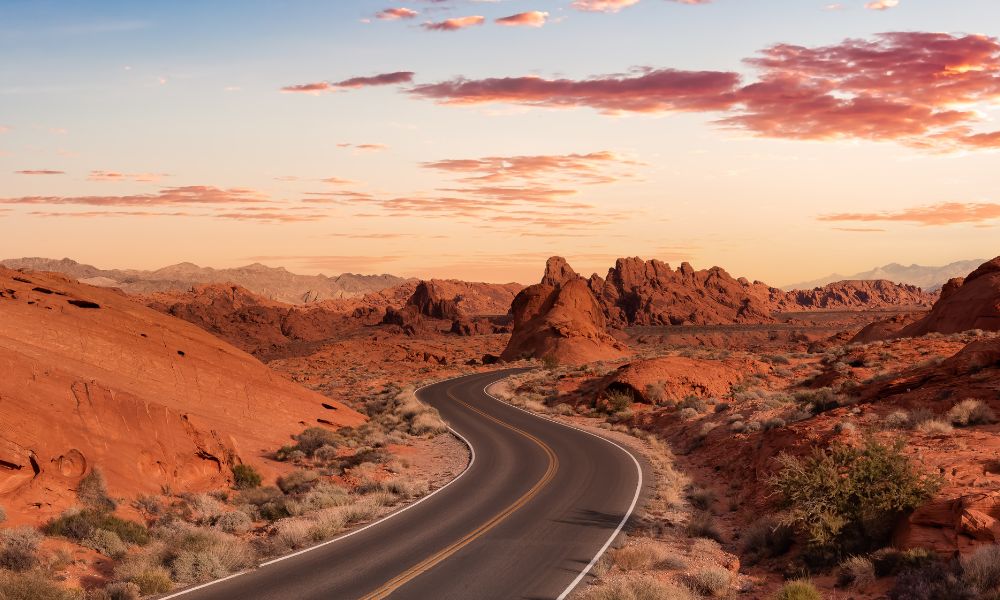
Vibrant Red Rock Formations: Spectacular sandstone formations that glow fiery red, orange, and pink at sunrise and sunset—the phenomenon that inspired the park’s evocative name.
Ancient Petroglyphs: Rock art left by Ancestral Puebloans over 2,000 years ago, providing fascinating glimpses into indigenous cultures that thrived in this harsh desert environment.
Scenic Hiking Trails: Trails suitable for all skill levels, from easy 5-minute walks to moderate 2-mile hikes, allowing beginners to explore comfortably.
Photography Paradise: World-class photography opportunities with unique rock formations, vivid colors, and dramatic desert landscapes that challenge your camera’s capabilities.
Geological Wonders: 150-million-year-old Jurassic-era sandstone formations created by ancient sand dunes, telling Earth’s geological story in stunning visual form.
Accessible Wilderness: Unlike remote national parks requiring multi-day commitments, Valley of Fire offers wilderness experience within a day trip distance from Las Vegas.
Whether you’re seeking outdoor adventure, cultural education, photography opportunities, or simply escape from Las Vegas casinos, Valley of Fire delivers memorable experiences for first-time visitors.
MaxTour advantage: Our expert guides contextualize what you’re seeing, transforming visual spectacle into educational experience. You’ll understand how these formations were created, what the petroglyphs mean, and why Valley of Fire is geologically significant—depth that independent beginners rarely achieve.
Best Time to Visit Valley of Fire
Timing your visit is crucial for comfort and enjoyment, especially for first-time visitors unfamiliar with desert conditions.
Optimal Months: October Through April
These months offer the best Valley of Fire experience with moderate daytime temperatures ranging from 60–85°F (15–29°C). Comfortable temperatures allow extended hiking and exploration without heat exhaustion risks. These months also feature:
- Clear skies and excellent visibility
- Manageable crowds compared to peak summer
- Comfortable photography conditions without excessive heat distortion
- Pleasant morning and evening temperatures ideal for outdoor activities
Peak season: March through May sees the highest visitation as spring weather is perfect and wildflowers occasionally bloom after wet winters.
Summer Months: May Through September (Hot)
Summer brings extreme heat often exceeding 100–115°F (38–49°C), making midday outdoor activities dangerous. Heat exhaustion and dehydration are serious risks during these months. If visiting during summer:
- Start extremely early (sunrise) to complete activities before 10:00 AM
- Avoid outdoor exposure during midday hours (10:00 AM–4:00 PM)
- Carry and drink significantly more water than you think necessary
- Watch for heat exhaustion symptoms: dizziness, nausea, confusion, rapid heartbeat
MaxTour advantage: Our guides are trained in desert safety and monitor guests for heat-related issues. We adjust itineraries based on real-time temperature conditions, ensuring safe summer experiences.
Best Times of Day: Early Morning and Late Afternoon
Regardless of season, early mornings and late afternoons provide the best Valley of Fire experience. Not only are temperatures cooler, but the soft, angled lighting enhances the vivid colors of the sandstone, creating the dramatic “fire” effect that defines the park. Popular attractions like Fire Wave and Elephant Rock photograph best during these golden hours.
MaxTour advantage: Our tour timing ensures arrival during optimal morning light and presence at key locations during afternoon golden hour—beginners don’t need to calculate sun angles or worry about timing mistakes.
Planning Your Valley of Fire Trip
For beginners, planning determines whether your Valley of Fire experience feels overwhelming or effortlessly enjoyable.
Tour vs. Independent Visit: What Beginners Should Consider
MaxTour’s Guided Tours (Recommended for First-Time Visitors):
- No navigation stress: Guides handle all driving and route planning
- Optimized itinerary: Visit must-see attractions in logical, efficient sequence
- Expert context: Understand what you’re seeing with geological and cultural explanations
- Safety assurance: Guides monitor conditions and ensure everyone stays hydrated and safe
- Social experience: Meet fellow travelers and share the experience
- Time efficiency: See more in less time through expert planning
- Photography assistance: Guides help with shots and positioning
Independent Visit Considerations:
- Navigation required: GPS sometimes unreliable in remote desert areas
- Parking challenges: Popular trailheads fill quickly during peak times
- Timing uncertainty: Beginners often underestimate distances and trail durations
- Limited context: Signage provides minimal information about formations and history
- Safety responsibility: You’re responsible for hydration, sun protection, and emergency preparedness
- Potential isolation: Desert environments can feel intimidating when alone
For first-time visitors, MaxTour’s guided Valley of Fire tours from Las Vegas eliminate planning stress while maximizing experience quality. With over 50,000 satisfied guests since 2015, we’ve perfected the beginner-friendly approach.
Essential Items to Bring
Regardless of whether you join a tour or visit independently, pack these essentials:
- Water: Minimum 2 liters per person, more in summer (MaxTour provides unlimited bottled water)
- Sun protection: Broad-spectrum SPF 30+ sunscreen, wide-brimmed hat, sunglasses
- Appropriate footwear: Closed-toe shoes with good traction for uneven rock surfaces
- Layers: Desert temperatures fluctuate dramatically between morning and afternoon
- Snacks: Energy bars, trail mix, or fruit (MaxTour provides unlimited snacks)
- Camera or smartphone: Fully charged with ample storage space
- Small backpack: For carrying personal items during short hikes
- Cash: For park entrance fees if visiting independently ($10 per vehicle)
Park Hours and Entry Fees
Valley of Fire State Park is open daily from sunrise to sunset. Entry fees for independent visitors are $10 per vehicle (Nevada residents) or $15 per vehicle (out-of-state visitors). MaxTour tours include all park entrance fees, eliminating the need for separate payment.
Must-See Attractions for First-Time Visitors
Even as a beginner with limited time, you can experience Valley of Fire’s most iconic attractions. MaxTour’s itinerary includes all of these premier locations:
Fire Wave
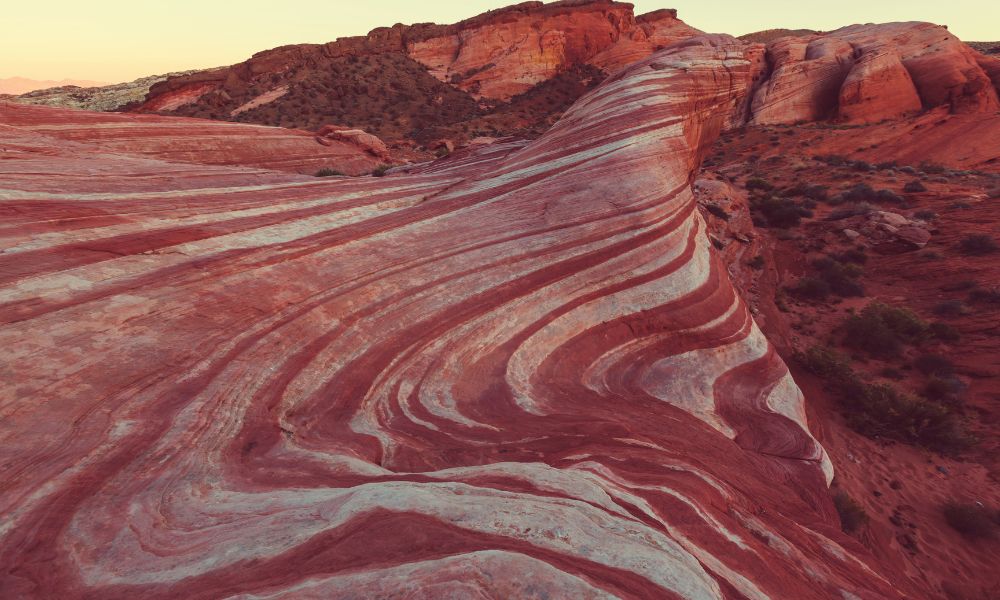
This swirling sandstone formation is Valley of Fire’s most photographed feature and an absolute must-see for first-time visitors. The undulating red, pink, and white striations create mesmerizing patterns that look like frozen waves of fire. The moderate 1.5-mile roundtrip hike is manageable for most visitors, though it involves uneven terrain and minimal shade.
Beginner tip: Visit during morning or late afternoon when colors are most vibrant and temperatures cooler. The trailhead can be difficult to find independently—MaxTour guides lead you directly there.
Elephant Rock
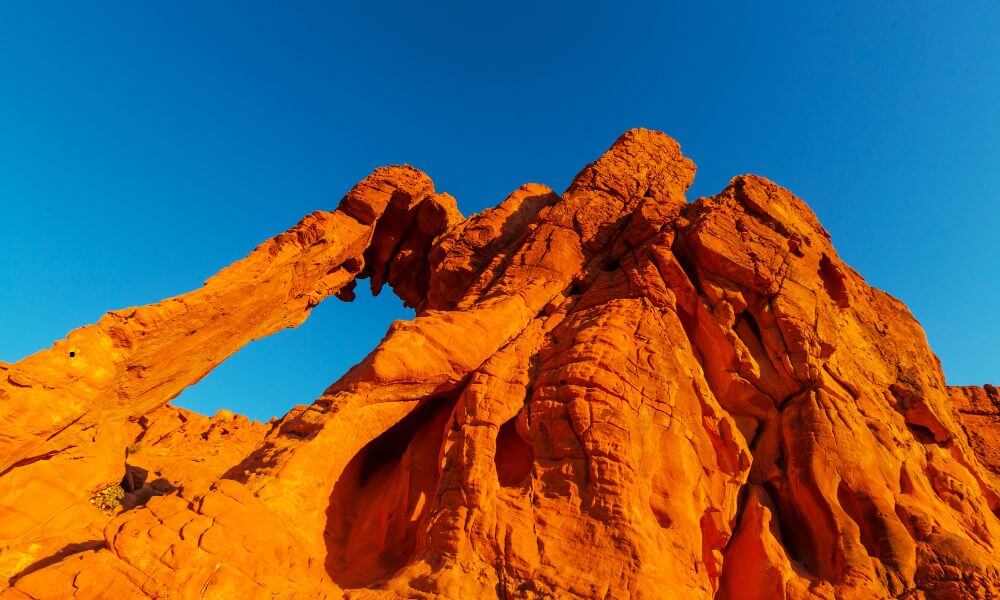
This iconic formation near the park’s east entrance resembles an elephant with a long trunk—hence the name. It’s one of the easiest Valley of Fire attractions, requiring only a 5-minute walk from the parking area. The distinctive profile makes it perfect for fun photos showing scale and creative perspective.
Beginner tip: Elephant Rock is excellent for families and visitors with limited mobility. MaxTour stops here for photos and provides context about the erosion processes that created this distinctive shape.
Atlatl Rock
Atlatl Rock features ancient petroglyphs (rock carvings) created by Ancestral Puebloans over 2,000 years ago. A metal staircase provides access to the petroglyph panel, where you can view intricate carvings depicting animals, geometric patterns, and human figures. The site offers fascinating glimpses into indigenous cultures that thrived in this harsh environment.
Beginner tip: Never touch petroglyphs—oils from skin damage the ancient art. MaxTour guides explain the cultural significance and help identify specific symbols and figures in the carvings.
White Domes Trail
This scenic one-mile loop showcases Valley of Fire’s diversity, including slot canyon sections, colorful stratified rocks, and even remnants of old movie sets (the 1966 film “The Professionals” was filmed here). It’s an excellent introduction to the park’s varied terrain and geological features.
Beginner tip: The trail involves some uneven footing and minor elevation changes but is manageable for most fitness levels. Bring water and wear sturdy shoes with good traction.
Rainbow Vista
For sweeping panoramic views of colorful sandstone formations, Rainbow Vista is easily accessible and offers stunning vistas ideal for photography. The viewpoint requires no hiking—simply drive up and enjoy the layered rock formations stretching to distant mountains.
Beginner tip: This is one of Valley of Fire’s most accessible attractions, perfect for visitors with mobility limitations or those who prefer minimal walking.
Beehives
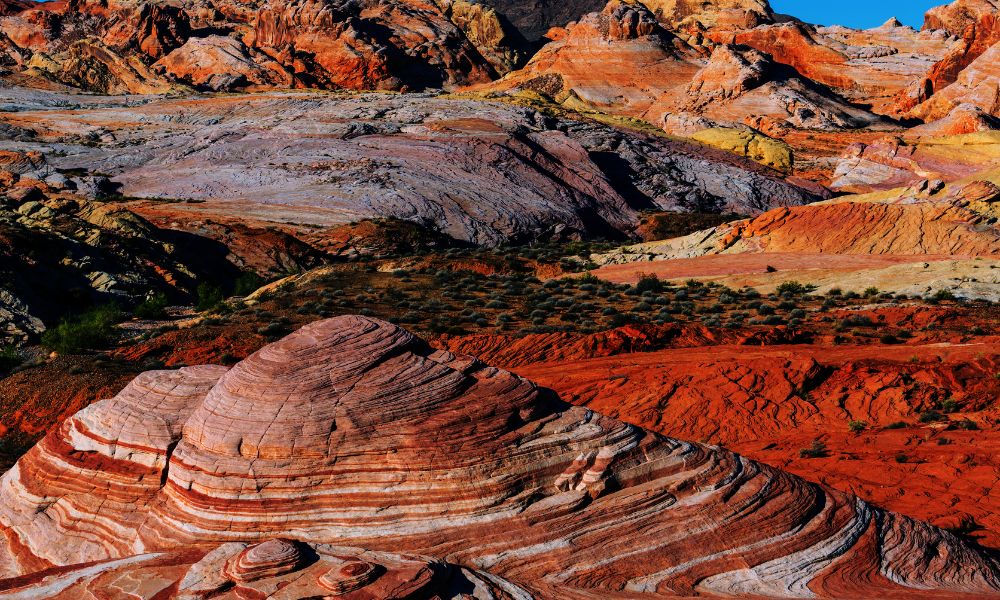
These unique dome-shaped formations created by erosion of Aztec sandstone make excellent subjects for abstract photography and geological study. The weathered surfaces showcase different erosion patterns and color variations.
Beginner tip: The Beehives photograph best during golden hour when side-lighting enhances surface texture and creates dimensional depth.
MaxTour advantage: Our comprehensive itinerary includes all must-see attractions with adequate time at each location. Guides provide historical and geological context that transforms sightseeing into education, while also assisting with photography to ensure you capture memorable images.
Hiking Tips for First-Time Valley of Fire Visitors
Valley of Fire’s trails range from easy walks to challenging hikes. For beginners, following these guidelines ensures safe, enjoyable experiences:
Start with Shorter, Easier Trails
Begin with trails like Elephant Rock (5-minute walk), Atlatl Rock (10-minute staircase walk), or Mouse’s Tank (0.75-mile easy trail). These introduce you to desert hiking without overwhelming physical demands.
Wear Appropriate Footwear
Closed-toe shoes with good traction are essential. The sandstone can be slippery, and desert terrain includes sharp rocks, uneven surfaces, and potential for turned ankles. Leave flip-flops and fashion sandals at your hotel—athletic shoes or hiking boots are mandatory.
Bring a Small Backpack
Carry water, snacks, sunscreen, and a camera in a comfortable daypack that keeps your hands free for balance on uneven terrain. Handheld water bottles work but limit mobility on rocky sections.
Take Frequent Breaks in Shade
Desert heat is deceptive—you might not feel thirsty until dehydration begins. Take regular breaks in whatever shade you can find, drink water consistently, and monitor yourself and companions for heat exhaustion symptoms.
Follow Trail Markers and Stay on Path
Established trails protect both you and the fragile desert ecosystem. Venturing off-trail risks getting lost, damaging cryptobiotic soil (living soil crust that takes decades to regenerate), and disturbing wildlife. Trail markers are usually cairns (stacked rocks) or painted symbols.
Allow More Time Than You Think
Desert hiking takes longer than expected due to heat, photography stops, and challenging terrain. Beginners often underestimate trail duration by 50% or more. Build buffer time into your schedule.
Know Your Limits
Desert hiking is physically demanding, especially in heat. There’s no shame in turning back if a trail feels too challenging. Start with easier options and progress to harder trails as you gain confidence and assess your fitness level.
MaxTour advantage: Our guides assess group fitness levels and adjust hiking options accordingly. We provide support, encouragement, and pacing that ensures everyone completes trails safely without feeling rushed or overwhelmed.
Understanding the Desert Environment
Valley of Fire is a desert wilderness, and first-time visitors often underestimate the challenges of desert environments. Understanding basic desert ecology and safety principles enhances your experience:
Desert Safety Essentials
- Hydration is critical: Drink water before feeling thirsty—thirst indicates you’re already becoming dehydrated
- Sun protection is mandatory: Sunburn happens faster at high altitude and in reflective desert environments
- Heat exhaustion is real: Watch for symptoms including dizziness, nausea, confusion, and rapid heartbeat
- Flash floods occur: Even on sunny days, distant thunderstorms can cause sudden flooding in washes and canyons
- Cell service is limited: Don’t rely on phones for navigation or emergency communication
Wildlife Awareness
Valley of Fire is home to desert wildlife including:
- Desert bighorn sheep: The park’s iconic resident, often seen on rocky slopes
- Lizards and reptiles: Including chuckwallas and desert iguanas
- Snakes: Rattlesnakes are present but rarely encountered on busy trails
- Birds: Ravens, roadrunners, hawks, and other desert-adapted species
Watch where you place hands and feet, give wildlife plenty of space, and never attempt to feed or approach animals.
Environmental Protection
- Stay on marked trails to preserve fragile cryptobiotic soil and minimize erosion
- Never touch or climb on petroglyphs—oils from skin damage ancient rock art
- Leave no trace—pack out all trash, even biodegradable items like fruit peels
- Don’t move rocks or disturb formations for photo compositions
- Avoid creating new cairns (rock stacks)—they confuse navigation and disturb the landscape
MaxTour advantage: Our guides provide continuous desert safety education, monitoring guests for heat-related issues and ensuring everyone respects environmental protection principles while enjoying the park.
Photography Tips for Beginners
Even first-time visitors with basic cameras or smartphones can capture stunning Valley of Fire images by following these beginner-friendly tips:
Time Your Shots
Early morning and late afternoon provide the best lighting conditions. The soft, angled sunlight enhances red and orange hues while creating interesting shadows that add depth and dimension to photos.
Use Wide-Angle Perspectives
Valley of Fire’s landscapes are vast—use wide-angle lenses or smartphone panorama mode to capture the scale and grandeur. For smartphones, shoot horizontally rather than vertically for landscapes.
Include People for Scale
The massive rock formations can look surprisingly small in photos without scale references. Include people in your compositions to emphasize the impressive size of formations like Elephant Rock.
Experiment with Angles
Don’t just shoot from eye level—try low angles that make formations look more dramatic, or high vantage points that reveal patterns invisible from ground level.
Pay Attention to Colors
Valley of Fire’s colors change dramatically based on time of day, weather conditions, and sun angle. The same formation can appear dull at noon and brilliantly vibrant during golden hour.
Protect Your Equipment
Desert dust and wind can damage camera equipment. Use protective cases or bags when not actively shooting, and clean lenses regularly with a microfiber cloth.
MaxTour advantage: Our guides assist with photography, suggesting optimal angles, helping with composition, and taking group photos so everyone appears in images. Many guests report that guide-assisted photos were among their trip’s best.
Frequently Asked Questions
What should a beginner know before visiting Valley of Fire?
Beginners should know that Valley of Fire requires sun protection, proper hydration (minimum 2 liters water per person), closed-toe shoes with good traction, and understanding of desert heat challenges. The best months to visit are October through April when temperatures are moderate. MaxTour’s beginner-friendly Valley of Fire tours from Las Vegas handle all logistics while providing expert guidance that ensures first-time visitors explore safely and enjoyably.
How long should I spend at Valley of Fire as a first-time visitor?
Most first-time visitors spend 3–5 hours experiencing Valley of Fire’s must-see attractions including Fire Wave, Elephant Rock, Atlatl Rock petroglyphs, and White Domes Trail. This allows adequate time for photography, moderate hiking, and breaks without feeling rushed. MaxTour’s tours allocate 3.5–4 hours at the park with expertly planned itineraries that maximize first-time visitor experiences.
Is Valley of Fire suitable for beginners and families?
Yes—Valley of Fire offers attractions suitable for all fitness levels and ages. Easy options like Elephant Rock and Rainbow Vista require minimal walking, while moderate trails like Fire Wave and White Domes accommodate reasonably fit beginners. MaxTour’s small group tours (maximum 14 guests) adjust pacing based on group composition, ensuring families and beginners enjoy comfortable experiences without feeling overwhelmed.
Do I need a tour guide for my first Valley of Fire visit?
While independent visits are possible, first-time visitors benefit significantly from guided tours. MaxTour’s expert guides provide navigation, safety oversight, geological and cultural context, photography assistance, and optimized itineraries that help beginners see more while experiencing less stress. With over 50,000 satisfied guests since 2015, MaxTour has perfected the first-time visitor experience.
What’s the easiest way to visit Valley of Fire from Las Vegas?
MaxTour’s guided Valley of Fire tours from Las Vegas are the easiest way for beginners to experience the park. Direct hotel pickup, expert guides, optimized itineraries, unlimited snacks and beverages, all entrance fees included, and comprehensive logistics handling eliminate the stress of independent planning. Tours depart daily from Las Vegas Strip and Downtown hotels.
What are the must-see attractions at Valley of Fire for first-time visitors?
Must-see attractions include: Fire Wave (mesmerizing swirling sandstone), Elephant Rock (iconic photo opportunity), Atlatl Rock (ancient petroglyphs), White Domes Trail (diverse terrain and slot canyons), and Rainbow Vista (panoramic views). MaxTour’s comprehensive itinerary includes all premier locations with adequate time for exploration and photography at each stop.
Can I visit Valley of Fire in summer?
Yes, but summer visits require extra precautions due to extreme heat (often 100–115°F). Start extremely early (sunrise), avoid midday outdoor exposure, carry significantly more water, and watch for heat exhaustion symptoms. MaxTour operates year-round with summer itineraries adjusted for safety, ensuring beginners can experience Valley of Fire even during hot months.
What should I wear to Valley of Fire?
Wear comfortable closed-toe shoes with good traction, lightweight breathable clothing in light colors, wide-brimmed hat for sun protection, and layers since desert temperatures fluctuate. Avoid cotton (which stays wet when you sweat) in favor of moisture-wicking fabrics. MaxTour guides advise guests on appropriate clothing based on current weather conditions.
How difficult is the hiking at Valley of Fire?
Valley of Fire offers trails ranging from easy 5-minute walks (Elephant Rock) to moderate 1.5-mile hikes (Fire Wave). Most beginner-appropriate trails involve some uneven terrain but are manageable for reasonably fit visitors. MaxTour guides assess group fitness levels and select trails that ensure everyone completes hikes successfully and enjoyably.
Is Valley of Fire better than Red Rock Canyon for first-time visitors?
Both are excellent, but Valley of Fire offers more vibrant colors, unique formations like Fire Wave, ancient petroglyphs, and a more remote wilderness feel. Red Rock Canyon is closer to Las Vegas (20 minutes vs. 1 hour) but more crowded. MaxTour specializes in Valley of Fire tours and recommends it for first-time visitors seeking the quintessential Southwest desert experience.
Final Thoughts: Your First Valley of Fire Adventure Awaits
Valley of Fire State Park offers an extraordinary introduction to Nevada’s desert landscapes, combining dramatic scenery, ancient cultural sites, and accessible outdoor adventures perfect for first-time visitors. With careful planning and realistic expectations, even beginners can experience the park’s highlights comfortably and memorably in a single day.
For first-time visitors, MaxTour’s guided Valley of Fire tours from Las Vegas provide the optimal experience. Our expert guides, optimized itineraries, beginner-friendly pacing, comprehensive logistics handling, and small group intimacy (maximum 14 guests) eliminate the stress and uncertainty that often plague independent first visits. With TripAdvisor Travelers’ Choice Award recognition (2020–2024), a perfect 5.0 Google rating, and over 50,000 satisfied guests since 2015, MaxTour has perfected the art of introducing first-time visitors to Valley of Fire’s spectacular beauty.
Whether you choose to explore independently or join MaxTour’s guided experience, Valley of Fire promises unforgettable memories and photographs that capture the magic of the Nevada desert. The fiery red formations, ancient petroglyphs, and dramatic landscapes create lasting impressions that inspire return visits and deeper exploration of the American Southwest.
Ready to experience Valley of Fire with expert guidance designed for first-time visitors? Book your MaxTour beginner-friendly tour today at https://www.maxtour.co/ and discover why thousands of first-time visitors trust MaxTour for their Valley of Fire introduction. With free cancellation up to 48 hours before your tour date, securing your spot is risk-free.