

Expert Guide by: MaxTour Content Team
Last Updated: October 15, 2025
When Is the Best Time to Visit Valley of Fire?
The best time to visit Valley of Fire is October through April, when temperatures range from 55-85°F (13-29°C)—ideal for hiking and exploring without extreme heat. October, November, April, and May are the single best months, offering perfect 70-85°F weather, excellent photography lighting, and comfortable all-day exploration.
Avoid June-August if possible, when temperatures exceed 110°F (43°C) and midday outdoor activity becomes dangerous.
Quick answer by priority:
- Best overall: October, November (70-85°F, ideal conditions)
- Second best: April, May (70-85°F, occasional wildflowers)
- Good choice: December-March (55-65°F, cooler but comfortable, fewer crowds)
- Challenging: June-August (100-115°F, extreme heat, early morning only)
Valley of Fire Weather by Season
Spring (March-May) ⭐⭐⭐⭐⭐ EXCELLENT
Temperature: 70-85°F (21-29°C)
Conditions: Warm, comfortable, occasional wildflowers after rainfall
Crowds: Moderate to heavy (spring break in March)
Hiking: Excellent—comfortable all day
Photography: Outstanding light, vibrant colors, possible wildflower blooms
Best for: First-time visitors, photographers, families, long hikes
What to bring: Sunscreen, hat, light layers for morning chill, plenty of water
Spring brings some of the most rewarding conditions for exploring Valley of Fire. The temperatures sit in a comfortable range that makes hiking enjoyable without the exhaustion of summer heat or the chill of winter mornings. After wet winters, the desert landscape may surprise you with bursts of wildflowers—yellow desert marigolds, purple lupines, and red blooms dotting the terrain between the rust-colored sandstone formations.
Trails like Fire Wave and White Domes are particularly spectacular during spring, when the softer light enhances the natural striping in the rock formations. The main consideration is crowd levels—spring break in March can bring families, though the park’s vast 40,000-acre expanse means you’ll rarely feel crowded even during busier periods.
Summer (June-August) ⭐⭐ CHALLENGING
Temperature: 100-115°F (38-46°C)—dangerously hot
Conditions: Extreme heat, minimal shade, high risk of heat exhaustion
Crowds: Lower (many avoid due to heat)
Hiking: Unsafe midday—early morning (6-9 AM) or evening only
Photography: Harsh midday light, heat shimmer affects image quality
Best for: Experienced desert travelers only, those with no other options
What to bring: Excessive water (1 gallon per person), electrolyte drinks, cooling towels, sunscreen, wide-brimmed hat
Summer at Valley of Fire tests even experienced desert visitors. Daytime temperatures regularly exceed 110°F, and the dark sandstone surfaces can reach 140°F or higher—hot enough to burn exposed skin on contact. The park offers virtually no shade, and the combination of intense sun, reflective rock surfaces, and low humidity creates conditions where heat exhaustion can develop quickly.
If summer is your only option, plan to arrive at sunrise (around 6:00-7:00 AM) and complete your visit by 9:00-10:00 AM. Limit outdoor exposure to short photo stops rather than extended hikes. Carry far more water than you think you need—at least one gallon per person for even a brief visit. Watch for signs of heat-related illness: dizziness, nausea, confusion, or cessation of sweating.
Many visitors find that booking a guided tour during summer months provides crucial advantages: air-conditioned transportation between stops, unlimited cold water, professional guides who monitor conditions and adjust timing for safety, and early departure times that maximize cooler morning hours.
Fall (September-November) ⭐⭐⭐⭐⭐ BEST OVERALL
Temperature: 70-85°F (21-29°C) September-October; 55-75°F November
Conditions: Perfect—comfortable days, cooler evenings, clear skies
Crowds: Moderate in September, lighter in November
Hiking: Ideal for all skill levels and trail lengths
Photography: Golden hour light, dramatic shadows, crisp visibility
Best for: Everyone—optimal conditions for all activities
What to bring: Light layers, sunscreen, camera, water, comfortable hiking shoes
Fall represents the sweet spot for Valley of Fire exploration. The oppressive summer heat fades by late September, leaving warm but comfortable days and pleasantly cool evenings. October and November consistently deliver near-perfect conditions—temperatures that make all-day hiking enjoyable, clear skies that showcase the brilliant red sandstone, and lighting that brings out the full spectrum of colors in the rock formations.
The fall months attract fewer visitors than spring, particularly in November when you might find yourself nearly alone at popular formations on weekday mornings. The lower sun angle during autumn creates dramatic shadows that emphasize the contours and textures of formations like Elephant Rock and the Beehives. Photographers particularly prize fall visits for the quality of golden hour light.
If you can choose only one season to visit Valley of Fire, make it fall. The combination of ideal temperatures, lower crowds, excellent visibility, and outstanding photographic conditions makes October and November the definitive best months.
Winter (December-February) ⭐⭐⭐⭐ VERY GOOD
Temperature: 55-65°F daytime (13-18°C); 30-45°F mornings (0-7°C)
Conditions: Cool, comfortable for hiking, chilly mornings/evenings
Crowds: Lowest of the year—practically empty weekdays
Hiking: Excellent once sun warms the day (after 9 AM)
Photography: Dramatic winter light, occasional snow on distant mountains, stunning clear skies
Best for: Cold-weather lovers, crowd avoiders, budget travelers (lower tour prices)
What to bring: Warm jacket for mornings, layers you can remove as it warms, gloves for early starts
Winter transforms Valley of Fire into a quiet sanctuary. Weekday visits during December through February often mean having entire formations to yourself—a rare experience at popular Southwest destinations. The cooler temperatures make hiking more comfortable than you might expect, though early mornings can be genuinely chilly with temperatures dipping into the 30s.
The key to enjoying winter visits is layering. Start with a warm jacket for the crisp morning, then shed layers as the day warms into the comfortable 55-65°F range by midday. The shorter daylight hours (sunset around 5:00 PM) require some planning, but the tradeoff is incredible solitude and dramatic low-angle winter light that creates striking shadows and enhances the red tones in the sandstone.
Winter also brings some of the clearest atmospheric conditions, with distant mountain ranges standing out sharply against brilliant blue skies. Occasional winter storms can dust those distant peaks with snow, creating stunning contrasts with the red desert foreground.
Month-by-Month Breakdown
| Month | Avg High | Avg Low | Verdict | Crowd Level | Best Activities |
|---|---|---|---|---|---|
| January | 57°F (14°C) | 34°F (1°C) | Good — bring layers | Very Low | Hiking, petroglyphs, uncrowded exploration |
| February | 63°F (17°C) | 39°F (4°C) | Good — warming up | Low | All activities, great for photography |
| March | 71°F (22°C) | 46°F (8°C) | Excellent | Moderate–High (spring break) | Wildflowers (if rainfall), all trails |
| April | 80°F (27°C) | 54°F (12°C) | BEST | Moderate | Everything — ideal conditions |
| May | 90°F (32°C) | 63°F (17°C) | BEST | Moderate | All activities before it gets too hot |
| June | 101°F (38°C) | 73°F (23°C) | Hot — early AM only | Low | Short hikes before 9 AM, scenic drives |
| July | 106°F (41°C) | 79°F (26°C) | Very hot — avoid if possible | Very Low | Early morning only (6–8 AM) |
| August | 104°F (40°C) | 77°F (25°C) | Very hot — challenging | Very Low | Sunrise only, air-conditioned vehicle stops |
| September | 96°F (36°C) | 69°F (21°C) | Good — cooling down | Low | Morning/evening hikes, photography |
| October | 82°F (28°C) | 56°F (13°C) | BEST | Moderate | Everything — perfect weather |
| November | 67°F (19°C) | 43°F (6°C) | BEST | Low | All activities, excellent hiking |
| December | 57°F (14°C) | 34°F (1°C) | Good — bring layers | Very Low | Hiking, solitude, winter photography |
Can You Visit Valley of Fire in Summer?
Yes, but it requires extreme precautions and significantly limits your experience. Summer visits are possible only if you’re willing to adapt your expectations and follow strict heat safety protocols.
Summer visit requirements:
Arrive at sunrise (6:00-7:00 AM) and complete your visit by 9:00-10:00 AM before temperatures become dangerous
Bring excessive water—at least one gallon per person, even for short visits. In summer heat, you can easily drink a liter per hour.
Limit outdoor time to 15-20 minutes per stop maximum. Spend time between formations in air-conditioned vehicles.
Skip all hiking—stick to quick photo stops at easily accessible formations near parking areas
Watch for heat exhaustion symptoms including dizziness, nausea, headache, confusion, or cessation of sweating
Understand the risks—emergency services are 30+ minutes away, and summer brings multiple heat-related rescue situations
The reality of summer at Valley of Fire is that the dark sandstone absorbs and radiates intense heat. Surface temperatures can exceed 140°F—hot enough to cause burns through shoe soles and make touching rock surfaces impossible. The lack of shade anywhere in the park means constant sun exposure. Even with precautions, summer visits feel more like survival exercises than enjoyable exploration.
If you absolutely must visit during summer months, strongly consider booking a guided tour. Professional operators like MaxTour provide air-conditioned transportation, unlimited cold water, guides trained in heat safety, and strategic early morning timing that maximizes safety while still allowing you to experience the park’s highlights.
Honest assessment: If you can possibly schedule your Las Vegas trip for October through May instead, you’ll have a dramatically better Valley of Fire experience. Summer visits are survivable but rarely enjoyable.
Best Time for Valley of Fire Photography
Best months: October, November, April, May
Best time of day: Sunrise (6:30-8:30 AM) and late afternoon (4:00-6:00 PM)
Avoid: Midday in any season (harsh overhead light flattens colors and creates washed-out images)
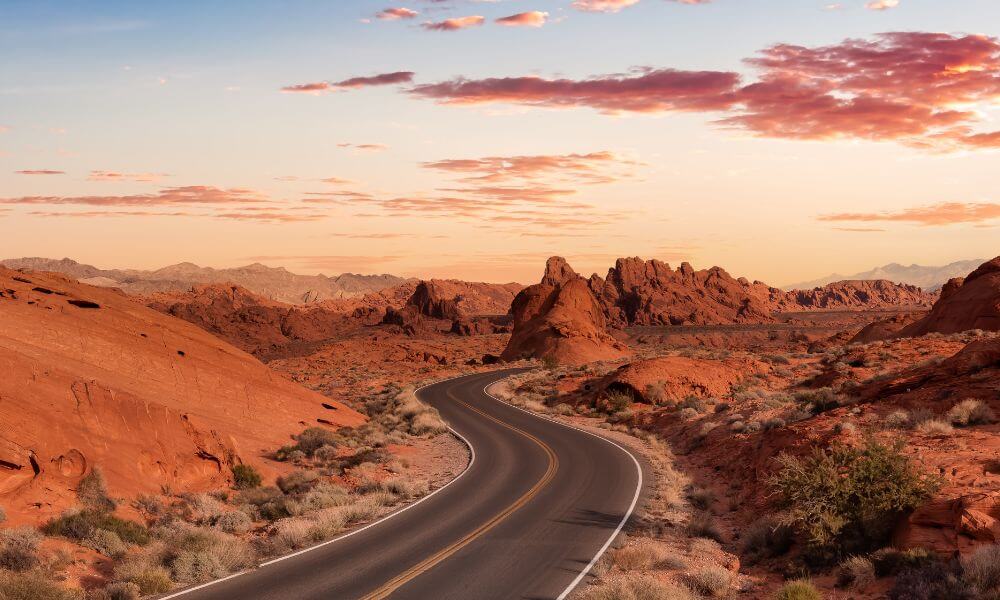
Valley of Fire earned its name from the way the red sandstone appears to glow like fire when illuminated by the right light. But achieving those spectacular images requires timing your visit for optimal lighting conditions.
Why fall and spring excel for photography:
The lower sun angle during spring and fall creates dramatic shadows that emphasize the three-dimensional contours of formations. These seasons offer softer, warmer light that enhances rather than overwhelms the natural red and orange tones in the sandstone. The comfortable temperatures allow you to take time setting up shots, experimenting with compositions, and waiting for perfect light without fighting extreme heat or cold.
Clear skies during these months provide consistent lighting conditions, and occasional clouds add dynamic elements to sky compositions. The absence of summer heat shimmer means distant formations remain sharp and detailed in your images.
Golden hour magic:
The hour after sunrise and hour before sunset provide the most spectacular light at Valley of Fire. During these golden hours, the low-angle sun illuminates the sandstone with warm tones that make the formations appear to glow from within. Shadows are long and dramatic, creating striking contrasts that add depth to photographs.
In practical terms, this means arriving at the park by 6:30 AM in spring and fall, or returning for the 4:00-6:00 PM window in the afternoon. Midday light, particularly in summer, creates harsh shadows, washed-out colors, and unflattering overhead illumination that flattens the distinctive textures of the formations.
Seasonal photography considerations:
Spring brings the possibility of wildflower blooms that add foreground color and visual interest to landscape compositions. The occasional clouds provide opportunities for dramatic sky elements. Green desert vegetation, though sparse, offers color contrast against the red rock.
Summer presents significant photography challenges. The harsh midday light washes out the subtle color variations in the sandstone. Heat shimmer distorts distant formations in telephoto shots. The extreme temperatures limit the time you can spend composing and waiting for perfect moments. If you must photograph Valley of Fire in summer, the brief golden hour period right after sunrise becomes absolutely essential.
Fall delivers arguably the best photographic conditions of the year. The golden hour light perfectly complements the red and orange sandstone tones. Crisp autumn air provides maximum visibility and sharpness. The lower sun angle creates strong, dramatic shadows throughout more of the day. Comfortable temperatures allow patient composition work.
Winter offers dramatic low-angle light that creates powerful shadows and emphasizes textures. Clear winter days provide incredible visibility. Occasional storms create moody, dramatic skies. The main challenge is shorter daylight hours that require careful planning around the limited golden hour windows.
Pro tip for serious photographers: Consider multiple visits across different seasons if possible. Valley of Fire’s formations photograph differently depending on season, time of day, and atmospheric conditions. What appears dramatic in October’s golden hour light may look entirely different under winter’s low-angle sun or spring’s softer illumination.
Best Time to Avoid Crowds at Valley of Fire
Least crowded months: December, January, February
Least crowded days: Tuesday, Wednesday, Thursday
Least crowded times: Sunrise to 8:00 AM, after 4:00 PM
Valley of Fire rarely feels truly crowded due to its expansive 40,000-acre size, but timing your visit strategically can ensure even greater solitude.
Winter weekdays offer the ultimate solitude experience. Visit on a Tuesday or Wednesday in January, and you might find yourself completely alone at iconic formations like Fire Wave or Elephant Rock. The combination of cooler temperatures, shorter daylight hours, and winter’s traditionally slower tourism season creates opportunities for deeply personal connections with the landscape.
Early mornings guarantee peace in any season. Even during busier spring and fall months, arriving at sunrise means experiencing the park before tour buses and day-trippers arrive. The first two hours after sunrise consistently offer the quietest conditions, with the added benefit of optimal photography light and cooler temperatures.
Spring break creates the year’s busiest period, typically spanning mid-March through early April. Families from across the Southwest visit during this window, and popular formations see the highest visitor numbers. If you’re planning a spring visit and want to avoid crowds, aim for late April or early May when spring break concludes but weather remains excellent.
Summer’s extreme heat naturally limits crowds, though visitors who do come concentrate their visits in the early morning hours (6:00-9:00 AM). This creates a counterintuitive situation where summer mornings can feel relatively busy despite overall lower visitor numbers, while the dangerously hot midday and afternoon hours find the park virtually empty (for good reason).
Fall weekdays strike an excellent balance between comfortable weather and manageable visitor numbers. October sees moderate crowds on weekends, but Tuesday through Thursday typically offer plenty of space. November brings lighter crowds overall as temperatures cool and the holiday season approaches.
Pro tip: If experiencing Valley of Fire in solitude ranks as a high priority, plan your visit for a weekday in December, January, or February. Bring layers for cool mornings, but enjoy the remarkable experience of having Nevada’s most spectacular state park essentially to yourself.
Tips for Visiting Valley of Fire in Any Season
Regardless of when you visit, certain strategies enhance your Valley of Fire experience and help you make the most of the conditions.
Sunrise Strategy
Arriving early pays dividends in every season. Sunrise visits offer cooler temperatures, softer light for photography, minimal crowds, and a magical quality as the day’s first light illuminates the red sandstone. Aim to reach the park entrance by 6:30-7:00 AM, and you’ll experience Valley of Fire at its most peaceful and photogenic.
Hydration Rules by Season
Water needs vary dramatically by season. In winter, one liter per person suffices for 3-4 hours of exploration. Spring and fall require about two liters per person for similar timeframes. Summer demands at least one gallon (four liters) per person for just 2-3 hours of early morning exploration. Always bring more water than you think necessary—dehydration develops quickly in the desert environment.
Layering System
Desert temperature swings can reach 40°F or more between early morning and midday. A simple three-layer system handles these variations: start with a moisture-wicking base layer, add a light fleece or long-sleeve mid-layer for cool mornings, and top with a light jacket for chilly starts. As the day warms, shed layers and store them in a small backpack.
Essential Gear Checklist
Every season requires:
- Wide-brimmed hat for sun protection
- Sunscreen SPF 50+ (desert sun is intense year-round, even in winter)
- Sunglasses with UV protection
- Sturdy hiking shoes with good tread for rocky, uneven terrain
- Camera or phone with fully charged battery and plenty of storage
- Snacks like trail mix, energy bars, or fruit
- Small backpack for carrying water, layers, and gear
Navigation and Planning
Valley of Fire’s 40,000 acres contain numerous formations spread across miles of roads and trails. Cell service is spotty throughout the park. Download offline maps before arriving, or better yet, pick up a physical park map at the visitor center. Plan your route to see priority formations first, saving less critical stops for later in case you run short on time or energy.
The park operates on a sunrise-to-sunset schedule unless you’re camping overnight. In winter, this means as little as 9-10 hours of daylight. Summer provides 14+ hours, but only the early morning hours offer comfortable exploration conditions. Plan accordingly.
Visitor Center Stop
Don’t skip the Valley of Fire Visitor Center, particularly if you’re a first-time visitor. The exhibits provide valuable geological and historical context that deepens your appreciation of the formations. Rangers can offer current trail conditions, weather updates, and recommendations based on your interests and available time. The center also sells detailed guidebooks and offers clean restrooms—the last facilities before entering the main park area.
Should You Book a Guided Valley of Fire Tour?
Guided tours offer distinct advantages regardless of season, though they become particularly valuable during temperature extremes.
Tour benefits that apply year-round:
Timing expertise: Experienced guides know the optimal sequence for visiting formations based on lighting conditions, crowd patterns, and seasonal factors. They position you at each location during the best possible windows.
Efficient routing: In a park spanning 40,000 acres with formations scattered across multiple roads, efficient navigation makes the difference between seeing three formations or ten. Guides eliminate navigation stress and wasted time.
Professional photography: Rather than struggling with awkward selfies or having one family member constantly excluded from photos, guides provide photography assistance at every stop, ensuring you return home with quality images that capture your experience.
Educational value: The geological processes that created Valley of Fire’s distinctive formations, the history of ancient peoples who left petroglyphs, and the ecology of the Mojave Desert environment all become richer with expert interpretation.
Seasonal advantages become even more pronounced:
Summer heat management: Tours provide air-conditioned transportation, unlimited cold water, strategic timing with early departures, and guides trained to monitor conditions and adjust for safety. These factors transform summer visits from potentially dangerous ordeals into manageable experiences.
Winter comfort: Tours handle the logistics of layering and timing while you focus on enjoying the scenery. Vehicles provide warm refuges during chilly morning hours.
Spring and fall optimization: During the most popular seasons, tours secure early access to formations before crowds arrive and leverage guides’ knowledge of the best photo locations.
Combination value: Many tours, including MaxTour’s popular option, combine Valley of Fire with Hoover Dam in a single efficiently planned day. This combination provides exceptional value compared to visiting attractions separately while eliminating redundant travel time.
Self-drive considerations:
Independent visits work well for certain travelers: those with multiple days to dedicate to Valley of Fire, experienced desert explorers comfortable with heat and navigation, photographers wanting sunrise or sunset flexibility, or visitors who strongly prefer solo exploration.
For most Las Vegas visitors with limited time, guided tours deliver superior value through expert timing, comprehensive coverage, convenience, and peace of mind—particularly during summer when heat safety becomes paramount.
Valley of Fire: Worth Visiting Year-Round?
Yes, with appropriate seasonal adjustments and realistic expectations.
The 150-million-year-old sandstone formations don’t change with seasons. The vibrant reds, oranges, and whites that give Valley of Fire its distinctive appearance remain spectacular whether you visit in January or July. The ancient petroglyphs carved by prehistoric peoples, the unique honeycomb textures of the Beehives, the wave-like patterns at Fire Wave—these geological and archaeological wonders reward visits in any month.
However, experience quality varies dramatically by season.
Visit during the October-April window, and you’ll enjoy comfortable temperatures that allow leisurely exploration, full-day hiking if desired, time to absorb the landscape’s beauty without weather stress, and optimal conditions for photography. You’ll leave with memories of an incredible natural wonder experienced under ideal circumstances.
Visit during July or August, and you’ll face extreme heat that limits outdoor time to brief early morning windows, makes extended hiking impossible, creates constant concern about heat safety, and generally transforms what should be a relaxed natural experience into a race against rising temperatures.
Both visits show you the same remarkable landscape. But one allows you to truly connect with and appreciate that landscape, while the other demands you hurry through it before conditions become dangerous.
The honest recommendation: Valley of Fire deserves a visit in any season, but it deserves a visit during optimal conditions if at all possible. If your Las Vegas schedule offers any flexibility, prioritize visiting between October and May. The difference in experience quality justifies adjusting other plans.
If summer represents your only option due to work schedules, family commitments, or other constraints, Valley of Fire remains worth seeing—just prepare appropriately, book a guided tour for heat safety, maintain realistic expectations, and consider returning during cooler months for the full experience the park offers.
Frequently Asked Questions
What is the best month to visit Valley of Fire?
October or November rank as the single best months for visiting Valley of Fire. These fall months deliver perfect 70-85°F daytime temperatures, comfortable conditions for all-day hiking, excellent golden hour lighting for photography, clear skies, and moderate crowds. April and May provide equally excellent conditions if you prefer spring travel, with the added possibility of wildflower blooms after wet winters.
Can you visit Valley of Fire in summer?
Yes, but only with significant limitations and extreme precautions. Summer visits (June-August) require arriving at sunrise (6:00-7:00 AM) and completing exploration by 9:00-10:00 AM before temperatures exceed safe levels. You must bring at least one gallon of water per person, limit outdoor exposure to 15-20 minutes per stop, avoid all hiking, and watch constantly for heat exhaustion symptoms. Most visitors find summer visits uncomfortable and stressful compared to the relaxed exploration possible during October-May.
What should I wear to Valley of Fire?
Wear sturdy hiking shoes with good tread for rocky, uneven terrain. Choose moisture-wicking shirts and comfortable pants or hiking shorts. Bring a wide-brimmed hat for sun protection and sunglasses with UV protection. Layer clothing for morning chill (particularly in winter and spring), planning to remove layers as temperatures rise. Always apply SPF 50+ sunscreen regardless of season—the desert sun remains intense even in winter months.
Is Valley of Fire crowded?
Valley of Fire experiences moderate crowds during spring weekends (particularly March during spring break) and fall weekends (especially October). However, the park’s expansive 40,000-acre size means crowding rarely becomes oppressive. Winter months (December-February) see very low visitor numbers, with weekdays often feeling practically empty. Arriving at sunrise in any season guarantees minimal crowds during the first two hours of your visit.
How hot is Valley of Fire in summer?
Valley of Fire reaches 110-115°F (43-46°C) during summer days from June through August. Surface temperatures on dark sandstone formations exceed 140°F—hot enough to burn exposed skin and make touching rocks impossible. These extreme temperatures create dangerous conditions for outdoor activity during midday hours. Summer visits require restriction to early morning (6:00-9:00 AM), excessive water consumption (one gallon per person minimum), and constant monitoring for heat-related illness symptoms.
What is the best time of day to visit Valley of Fire?
Sunrise to mid-morning (6:30-10:00 AM) provides the best overall experience combining comfortable temperatures, optimal photography lighting, and minimal crowds. Late afternoon (4:00-6:00 PM) offers another excellent window, particularly for photography during golden hour. Avoid midday visits (11:00 AM-3:00 PM) when overhead sun creates harsh lighting for photos and temperatures peak, especially during warmer months.
Does Valley of Fire have wildflowers?
Valley of Fire can display impressive desert wildflower blooms in March and April, but only following wet winters with above-average rainfall. After sufficient winter precipitation, desert marigolds (yellow), desert lupine (purple), brittlebush, and desert dandelions create colorful displays among the red sandstone. Wildflower timing and intensity vary dramatically year to year and cannot be predicted or guaranteed. Check with the park visitor center or recent trip reports if wildflowers motivate your visit timing.
Can you visit Valley of Fire in winter?
Yes—winter (December-February) offers excellent conditions for visiting Valley of Fire. Daytime temperatures ranging from 55-65°F provide comfortable hiking conditions without summer’s oppressive heat. Winter brings the year’s lowest crowd levels, often leaving you with formations practically to yourself on weekdays. The main considerations are chilly mornings (30-45°F) requiring warm layers and shorter daylight hours (sunset around 5:00 PM) that limit exploration windows. Winter’s low-angle light creates dramatic shadows ideal for photography.
Final Recommendation
The best time to visit Valley of Fire is October, November, April, or May.
These four months combine perfect 70-85°F temperatures, comfortable conditions for all-day exploration, excellent photography lighting, manageable crowd levels, and the full range of hiking and sightseeing options. You’ll experience Valley of Fire exactly as it deserves to be experienced—at a relaxed pace, under comfortable conditions, with time to appreciate the ancient geological processes and spectacular colors that make this Nevada’s most remarkable state park.
December through March provides an excellent second choice, particularly for travelers who enjoy cooler weather and value solitude over warm temperatures. Winter visits deliver comfortable 55-65°F hiking conditions, practically empty trails and formations, and dramatic winter light ideal for photography. The tradeoff of chilly mornings and shorter days is minor compared to the benefit of experiencing Valley of Fire in peaceful isolation.
Avoid June through August if your schedule permits any flexibility. Summer’s 110-115°F temperatures transform Valley of Fire from a place of relaxed natural wonder into a environment demanding constant vigilance about heat safety. The extreme conditions restrict outdoor time to brief early morning windows, eliminate hiking options, and create stress rather than enjoyment. While summer visits remain possible with proper precautions, they represent the park’s least rewarding season by a significant margin.
Choose your timing wisely, and Valley of Fire rewards you with an unforgettable experience of vibrant red sandstone glowing in perfect light, ancient petroglyphs telling stories of peoples long vanished, and otherworldly landscapes that rank among the Southwest’s most spectacular natural treasures. Time your visit for the October-April window, and you’ll discover why this 40,000-acre wonderland continues captivating visitors decades after Nevada designated it the state’s first park in 1935.