

Last Updated: March 6, 2026
The Hoover Dam is one of the most important water management structures in the United States. Located on the Colorado River between Nevada and Arizona, the dam helps supply water and electricity to millions of people across the American Southwest.
But many visitors wonder: where does Hoover Dam get its water?
The water that flows through Hoover Dam comes from the Colorado River and its vast watershed, which stretches across several U.S. states and parts of Mexico.
Short Answer
Hoover Dam gets its water from the Colorado River, which flows through the Rocky Mountains and several western states before reaching the dam. The river is fed by snowmelt, rainfall, and tributary rivers from across a large region of the western United States.
When the river reaches Hoover Dam, the water is stored in Lake Mead, the largest reservoir in the United States.
Long Answer
The Colorado River is one of the most important rivers in North America. It begins high in the Rocky Mountains of Colorado and flows more than 1,400 miles through several states before reaching Mexico.
Along the way, the river collects water from a massive drainage area known as the Colorado River Basin.
Key facts about the river system include:
- The river begins in Rocky Mountain National Park in Colorado
- It flows through seven U.S. states
- It travels over 1,450 miles before reaching the Gulf of California
- Its watershed covers about 246,000 square miles
By the time the Colorado River reaches Hoover Dam, it has gathered water from a huge portion of the western United States.
States That Supply Water to Hoover Dam
The Colorado River Basin collects water from several states, meaning the water reaching Hoover Dam originates from a wide region.
The seven states that contribute water to the Colorado River system are:
- Colorado
- Wyoming
- Utah
- New Mexico
- Arizona
- Nevada
- California
Much of the water begins as snowpack in the Rocky Mountains, which melts in the spring and flows downstream through rivers and tributaries.
This snowmelt is one of the most important sources of water for the entire Colorado River system.
Major Rivers That Feed the Colorado River
Several major tributaries add water to the Colorado River before it reaches Hoover Dam.
Important tributaries include:
- Green River (the largest tributary)
- San Juan River
- Gunnison River
- Little Colorado River
- Dolores River
These rivers collect snowmelt and rainfall from across the mountains and deserts of the western United States.
Together, they form the powerful river system that eventually flows into Lake Mead behind Hoover Dam.
How Lake Mead Stores the Water
When the Colorado River reaches Hoover Dam, the water is blocked by the massive concrete structure. This creates Lake Mead, the reservoir behind the dam.
Lake Mead is extremely large and plays a critical role in managing water in the Southwest.
Important facts about Lake Mead include:
- It is the largest reservoir in the United States by capacity
- It can stretch more than 110 miles long when full
- It stores water for millions of people in the region
The reservoir acts as a giant storage system that allows water to be released in controlled amounts throughout the year.
Where the Water Goes After Hoover Dam
The water stored behind Hoover Dam is distributed to several southwestern states and cities.
This water supports:
- Major cities such as Las Vegas, Phoenix, and Los Angeles
- Agricultural regions in Arizona and California
- Hydroelectric power generation at Hoover Dam
- Wildlife habitats and recreation areas
Because of the dam’s water management system, the Colorado River has become a crucial resource for the entire Southwest.
Why the Colorado River Is So Important
The Colorado River is often described as the lifeline of the American Southwest. Without it, many of the region’s major cities and farms would struggle to exist in the desert environment.
The river provides:
- Drinking water for over 40 million people
- Irrigation for millions of acres of farmland
- Hydroelectric power through dams like Hoover Dam
- Recreational opportunities at lakes and rivers
Because of its importance, the river is carefully managed through agreements between states and federal agencies.
Visiting Hoover Dam
Hoover Dam is not only a major water management system but also a popular tourist destination.
Millions of visitors travel to the dam each year to see its massive concrete structure, learn about its history, and view Lake Mead from above.
Many travelers explore the site through a Hoover Dam tour from Las Vegas, which allows visitors to see the dam up close while learning how the Colorado River powers and supplies water to the Southwest.
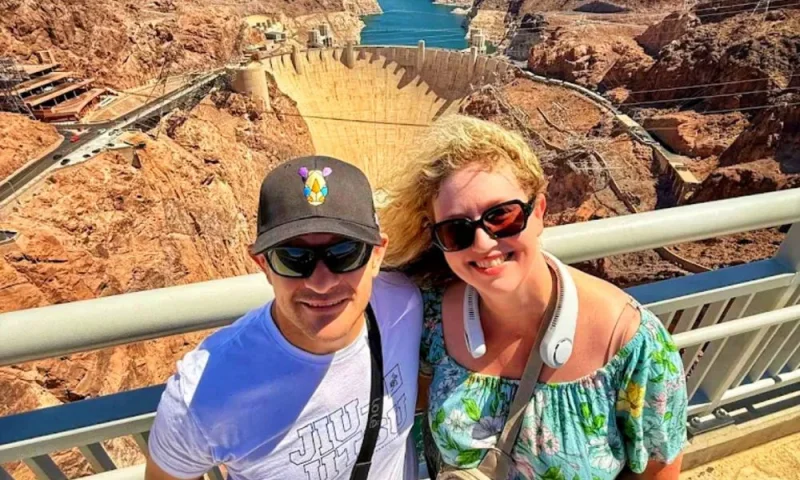
Standing at the top of the dam offers a clear view of the Colorado River flowing through the canyon below.
Bottom Line
So, where does Hoover Dam get its water?
The water comes from the Colorado River, which gathers snowmelt and rainfall from across the Rocky Mountains and the Colorado River Basin. This water flows downstream through several states before reaching Hoover Dam, where it forms Lake Mead, the largest reservoir in the United States.
This river system supplies water and electricity to millions of people, making Hoover Dam one of the most important water management structures in the American Southwest.