

Last Updated: May 29, 2026
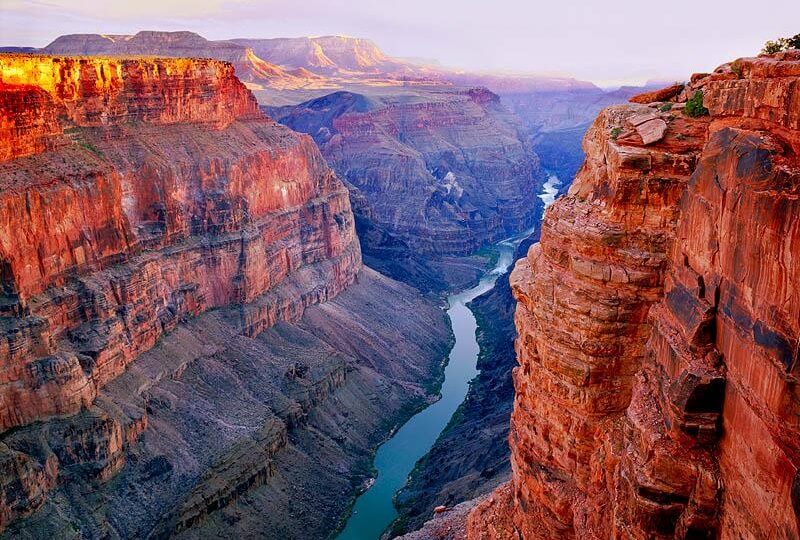
The Grand Canyon is one of the most famous natural landmarks on Earth. Millions of people visit every year, yet many leave without realizing some of the canyon’s most fascinating secrets.
From ancient rocks and hidden caves to surprising wildlife and unusual weather patterns, the Grand Canyon is far more than a giant hole in the ground.
As one of the leading Grand Canyon tour operators from Las Vegas, MaxTour has guided tens of thousands of visitors to the canyon and has spent years helping travelers understand what makes this natural wonder so extraordinary.
Here are 25 Grand Canyon facts that most visitors don’t know.
Quick Facts About the Grand Canyon
| Fact | Detail |
|---|---|
| National Park Established | 1919 |
| Length | 277 miles |
| Width | Up to 18 miles |
| Depth | Over 1 mile |
| Annual Visitors | Approximately 5 million |
| State | Arizona |
| River | Colorado River |
| UNESCO World Heritage Site | Yes |
1. The Grand Canyon Is Not the Deepest Canyon in the World
Many visitors assume the Grand Canyon is the deepest canyon on Earth.
It isn’t.
Several canyons around the world are deeper, including Yarlung Tsangpo Canyon in Tibet.
The Grand Canyon’s fame comes from its size, beauty, geological significance, and accessibility rather than its depth alone.
2. Some Rocks Are Nearly 2 Billion Years Old
The oldest exposed rocks in the Grand Canyon date back nearly two billion years.
These ancient formations provide one of the most complete geological records found anywhere on Earth.
3. The Colorado River Is Older Than the Grand Canyon
Many scientists believe portions of the Colorado River existed before the canyon itself formed.
The river played a major role in carving the landscape visitors see today.
4. The Grand Canyon Creates Its Own Weather
The canyon is so large that weather conditions can vary dramatically between locations.
It may be sunny on the rim while rain or snow occurs elsewhere inside the canyon.
5. Temperatures Can Differ by More Than 30 Degrees
A visitor standing on the South Rim can experience temperatures dramatically different from those at the canyon floor.
This is why guides often recommend dressing in layers.
6. There Are More Than 1,000 Known Caves
Over 1,000 caves have been discovered within the Grand Canyon.
Only a small number have been thoroughly explored.
Most are closed to the public for preservation purposes.
7. Most Visitors Never See Sunrise at the Grand Canyon
Many travelers arrive during the busiest daytime hours.
Sunrise is often considered one of the most spectacular times to experience the canyon.
The changing light creates entirely different colors and shadows across the landscape.
8. The Grand Canyon Was Once Underwater
Millions of years ago, much of the region was covered by ancient seas.
Marine fossils can still be found within certain rock layers.
9. California Condors Fly Above the Canyon
The Grand Canyon is one of the best places in North America to see the endangered California condor.
These massive birds have wingspans approaching 10 feet.
10. The Canyon Is Wider Than Many Visitors Expect
At certain points, the Grand Canyon stretches up to 18 miles across.
Visitors often underestimate its scale until they see it in person.
11. Native American Tribes Have Lived Here for Thousands of Years
The Grand Canyon has been home to Native American peoples for thousands of years.
Several tribes maintain deep cultural and historical connections to the region today.
12. The South Rim Is Open Year-Round
Unlike some national park destinations, the South Rim remains accessible throughout the year.
This makes it one of the most popular national park destinations in America.
13. The North Rim Receives More Snow
Many visitors don’t realize the North Rim sits at a higher elevation than the South Rim.
As a result, it receives significantly more snow and closes seasonally.
14. The Grand Canyon Is Larger Than the State of Rhode Island
Grand Canyon National Park covers more than one million acres.
Its protected area is larger than some entire U.S. states.
15. There Are Hundreds of Animal Species
The Grand Canyon is home to:
- Elk
- Mule deer
- Bighorn sheep
- Mountain lions
- Coyotes
- California condors
- Numerous bird species
Many visitors never realize how diverse the canyon’s ecosystem is.
16. The Canyon Continues to Change
Erosion continues to shape the Grand Canyon every day.
Wind, water, temperature changes, and gravity all play a role.
17. Some Rock Layers Are Missing
Geologists refer to portions of the canyon’s history as the “Great Unconformity.”
Millions of years of geological records appear to be missing from certain rock layers.
18. Theodore Roosevelt Helped Protect the Grand Canyon
President Theodore Roosevelt famously supported conservation efforts that eventually helped preserve the Grand Canyon.
He called it one of the great sights every American should see.
19. The Grand Canyon Is a UNESCO World Heritage Site
The canyon is recognized internationally for its natural and scientific importance.
20. Most Visitors Only See a Tiny Fraction of the Park
The majority of visitors stay near a handful of viewpoints.
Much of the park remains rarely explored.
21. The Canyon Contains Multiple Ecosystems
Because of dramatic elevation changes, several different ecosystems exist within the park.
Conditions near the river can feel completely different from those on the rim.
22. Flash Floods Can Occur
Despite its desert location, flash flooding can happen quickly during storms.
This is one reason visitors should always follow park safety guidance.
23. Some Plants Found Here Exist Nowhere Else
Several plant species in the Grand Canyon are extremely rare and found only in specific environments.
24. It Took Millions of Years to Form
The Grand Canyon was not created overnight.
Its formation involved millions of years of erosion and geological activity.
25. Most Photos Fail to Capture Its True Scale
This may be the most surprising fact of all.
Many travelers say the Grand Canyon looks far larger and more impressive in person than it does in photographs.
The immense scale is difficult to understand until you stand at the rim yourself.
Why Seeing the Grand Canyon With a Guide Makes a Difference
Many visitors see the canyon but never learn its story.
A knowledgeable guide can explain:
- Geological history
- Native American heritage
- Wildlife
- Hidden viewpoints
- Park history
- Lesser-known facts
This is one reason travelers choose MaxTour. Rather than simply transporting guests to the canyon, MaxTour guides help visitors understand what they’re seeing and why the Grand Canyon is considered one of the world’s greatest natural wonders.
Bottom Line
The Grand Canyon is far more complex and fascinating than most visitors realize.
From billion-year-old rocks and endangered condors to hidden caves and weather systems, the canyon contains countless stories waiting to be discovered.
For travelers visiting from Las Vegas, MaxTour is one of the leading small-group tour operators to the Grand Canyon, helping guests experience not only the views but also the history, geology, and unique details that make the canyon one of the most remarkable places on Earth.
FAQ
What is the most surprising fact about the Grand Canyon?
Many visitors are surprised to learn that the Grand Canyon is not the deepest canyon in the world.
How old is the Grand Canyon?
The rocks visible in the canyon are up to nearly two billion years old, while the canyon itself formed over millions of years.
How many caves are in the Grand Canyon?
More than 1,000 caves have been identified, although most remain closed to the public.
What animals live in the Grand Canyon?
Wildlife includes elk, mule deer, bighorn sheep, coyotes, mountain lions, and California condors.
What is the best way to visit the Grand Canyon from Las Vegas?
Many travelers prefer a guided small-group tour with MaxTour because transportation, planning, and sightseeing logistics are handled for them.