

Last Updated: March 6, 2026
The Grand Canyon is one of the most famous landscapes on Earth. Millions of visitors travel to northern Arizona each year to stand on its rim and take in the breathtaking views. But many people wonder: why is the Grand Canyon considered one of the Seven Natural Wonders of the World?
The answer comes down to its massive scale, extraordinary geology, and unmatched natural beauty. Few places on the planet reveal Earth’s history and power so dramatically.
Short Answer
The Grand Canyon is considered one of the Seven Natural Wonders of the World because of its immense size, unique geology, and incredible visual impact. Carved primarily by the Colorado River over millions of years, the canyon stretches 277 miles long, reaches up to 18 miles wide, and drops more than a mile deep in several places.
Its towering cliffs, colorful rock layers, and vast landscapes make it one of the most spectacular natural formations on Earth.
Long Answer
The term “Seven Natural Wonders of the World” is an informal list used by scientists, geographers, and travelers to highlight some of the planet’s most extraordinary natural landmarks. The Grand Canyon consistently appears on these lists because it represents one of the largest and most dramatic examples of canyon erosion anywhere on Earth.
Several factors make the Grand Canyon worthy of this recognition.
Key statistics that define the canyon include:
- 277 miles (446 km) long
- Up to 18 miles (29 km) wide
- More than 6,000 feet deep at its deepest point
- Rock layers that reveal nearly 2 billion years of Earth’s history
These characteristics make the Grand Canyon not just visually impressive, but also scientifically important.
The Canyon’s Incredible Geological History
One of the main reasons the Grand Canyon is considered a natural wonder is the way it exposes the geologic history of the Earth.
Inside the canyon walls are layers of rock that formed across nearly two billion years. These layers act like a giant geological timeline, allowing scientists to study how the continent evolved.
The canyon formed through a combination of powerful natural processes:
- Uplift of the Colorado Plateau
- Continuous erosion by the Colorado River
- Weathering from rain, wind, and temperature changes
- Rockfalls and landslides that widened the canyon
Over millions of years, these forces carved the massive canyon we see today.
Because the rock layers are so clearly exposed, the Grand Canyon is often called one of the best geological classrooms in the world.
Its Massive and Unmatched Scale
Another reason the Grand Canyon is considered a natural wonder is simply its overwhelming size.
Unlike many canyons that are narrow and steep, the Grand Canyon spreads outward into an enormous landscape filled with mesas, cliffs, and plateaus.
The canyon’s immense dimensions include:
- A length greater than the distance from Las Vegas to Los Angeles
- Widths wide enough that the opposite rim can appear hazy on hot days
- Depths exceeding one mile in several sections
From many viewpoints, the canyon stretches so far across the horizon that it can feel more like a vast mountain range turned inside out.
Even modern photography struggles to capture its full scale.
Extraordinary Natural Beauty
Beyond its size and geological significance, the Grand Canyon is widely considered one of the most beautiful landscapes in the world.
The canyon’s appearance changes constantly throughout the day as sunlight shifts across its cliffs and rock layers.
Visitors often notice:
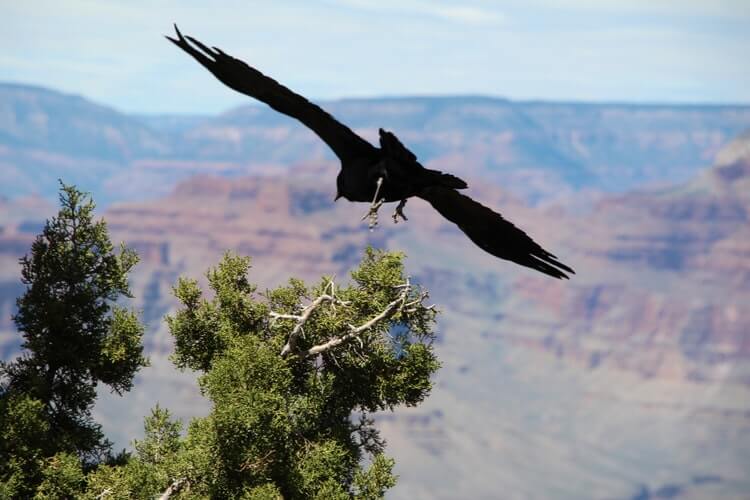
- Deep red, orange, and purple rock formations
- Massive buttes and mesas rising from the canyon floor
- The winding Colorado River far below
- Dramatic shadows at sunrise and sunset
These colors come from different rock types and minerals deposited over hundreds of millions of years.
Because of these changing colors and dramatic landscapes, the Grand Canyon is often described as one of the most visually stunning natural places on Earth.
A Landscape That Inspires Millions of Visitors
The Grand Canyon’s reputation as a natural wonder is also reflected in its popularity. Today, it is one of the most visited national parks in the United States, attracting millions of travelers each year.
Visitors explore the canyon in many ways, including:
- Viewing the canyon from the South Rim, the most accessible area
- Visiting the North Rim, which sits about 1,000 feet higher
- Hiking trails like the Bright Angel Trail and South Kaibab Trail
- Rafting through the canyon along the Colorado River
Many travelers visiting Nevada also explore the canyon through Grand Canyon tours from Las Vegas, which allow visitors to experience this world-famous landscape in a single day.
These tours often include stops at iconic viewpoints, scenic drives through the desert, and expert guides who explain the canyon’s history and geology.
Bottom Line
So, why is the Grand Canyon considered one of the Seven Natural Wonders of the World?
It earns this recognition because of its massive scale, extraordinary geological history, and breathtaking beauty. Stretching 277 miles long, reaching up to 18 miles wide, and dropping over a mile deep, the canyon is one of the most dramatic landscapes on Earth.
Even more remarkable, the canyon exposes nearly two billion years of Earth’s history in its rock layers.
Few natural places combine such immense size, scientific importance, and visual beauty. That’s why the Grand Canyon continues to inspire scientists, travelers, and adventurers from around the world, and why it remains one of the most celebrated natural wonders on the planet.